Description
What was billed as the opening of a chic new restaurant in Lima turned out to be a creative action designed to spotlight an urgent yet often overlooked issue: the unnecessary waste of high-quality food in the country, and the lack of logistical resources to transport unsold food from markets to those who need it most.
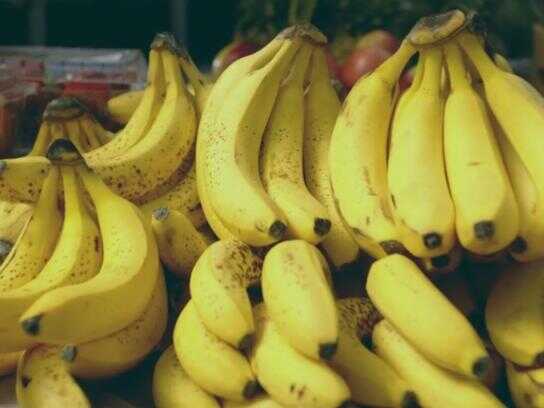
In Peru, 12 million tons of food are lost or wasted every year, from farm to table. This amount would fill 140 stadiums. This is food that never reaches millions of people living in vulnerable situations - despite the good condition of much of this food and sellers’ willingness to donate it.
As Sarah Laughton, Representative of the United Nations World Food Programme (WFP) in Peru, states: “One tragedy of food waste is that it tends to be fresh, highly nutritious items like fruits and vegetables that end up being discarded. These are the very foods many families need but cannot afford.”
She added, “Transportation is a major bottleneck. We need new ways to engage society and show that taking action is within everyone’s reach.”
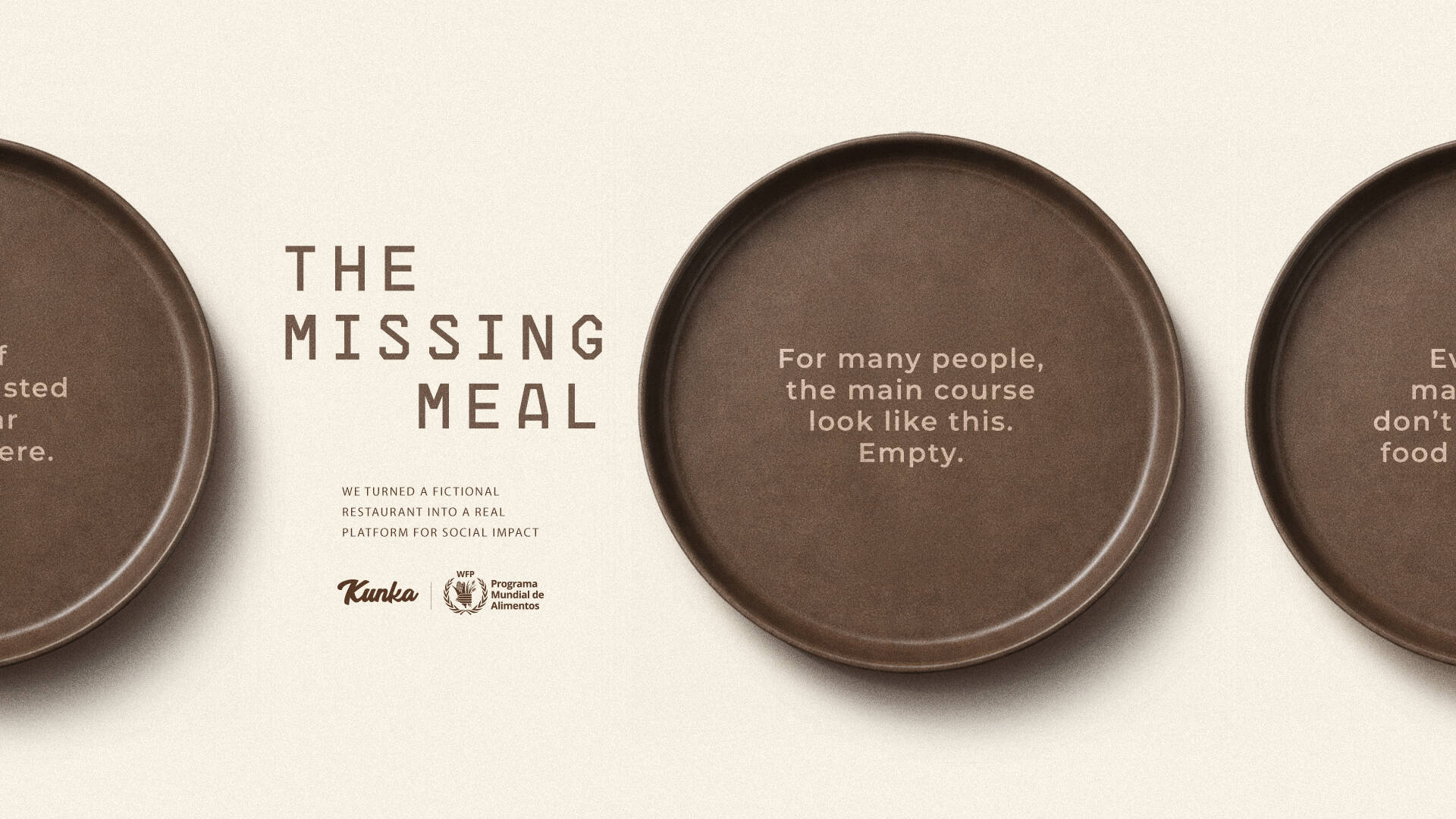
Guests arrived to a red-carpet welcome at a real restaurant in Lima’s upscale Miraflores district, expecting an exciting gastronomic experience. Instead, they were served empty plates. The empty plates were a message: good food gone to waste means many missing meals.
It was then that Kunka was revealed—an initiative led by the United Nations World Food Programme (WFP) that proposes a new way of understanding access to food and its social impact.
As part of the experience, WFP partnered with Daniel Bonifaz, a leading figure in the fintech world with thousands of followers, who generated a buzz by publicly announcing that his next investment would be a restaurant. The twist came when it was revealed that his objective was not culinary, but social: Kunka was not a restaurant, but a digital impact investment platform enabling ordinary citizens to finance the logistics needed to get fresh, high-quality surplus and donated food to those who need it most.
Food banking is not a new concept in Peru, and tax breaks for food donation exist. Kunka is designed to contribute to an ongoing, collective effort, connecting donors, food banks and recipients, and ensuring that food ends up on plates and not as waste.
From a creative standpoint, the campaign built a complete, real gastronomic experience—location, setup, service, and narrative—only to subvert it with a clear and powerful message. The empty plates became the central vehicle of the idea, transforming the expectation of “going out to eat” into a direct reflection of a critical absence. In this restaurant, no food could be served, not because food wasn’t available, but because it never reached the people who wanted it.
For Carlos Altamirano, VP Creative at Digitas Peru, the key was pushing creativity to its most tangible extreme: “It was a beautiful madness: creating a full restaurant that wasn’t actually a restaurant. None of this would have been possible without a huge team behind it. When creativity meets a real desire to do something different, the idea stops being a concept and becomes a concrete action.”
The activation, held in Lima with the participation of opinion leaders, business executives, media, and influencers, demonstrated how gastronomy—a topic that connects, attracts, and sparks interest in everyone—can serve as a powerful bridge to capture attention, open dialogue, and mobilize society around an urgent cause: making it possible for food to reach those who need it most.
This professional campaign titled 'The Missing Meal' was published in Peru in February, 2026. It was created for the brand: United Nations World Food Programme, by ad agency: Digitas Peru. This Experiential and Integrated media campaign is related to the Health and Public Interest industries and contains 2 media assets. It was submitted 8 months ago.